
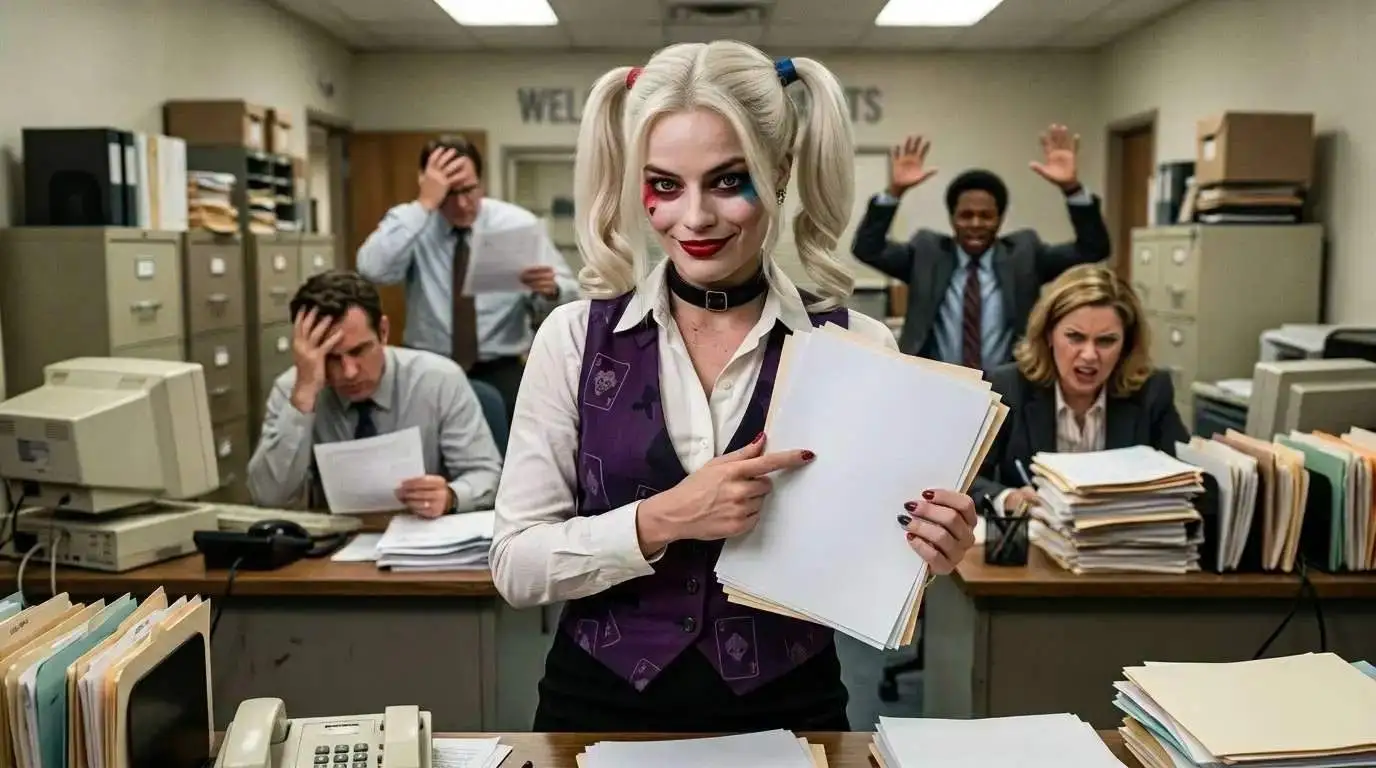
There is something strangely magical about a Joker face appearing in a mirror. One moment, you see an ordinary face. The next, a wide grin, dramatic eyes, pale skin, and a splash of wild color transform the entire mood.
That is the fun of face painting of the Joker. It is not simply about putting white paint on your skin and drawing a smile. It is about creating a character through color, expression, texture, and tiny details. You can make the look creepy, funny, theatrical, glamorous, cartoon-inspired, or completely original.
Whether you are preparing for Halloween, a costume party, cosplay event, school performance, photo shoot, or just a creative afternoon, the right Joker-inspired face painting can become the centerpiece of your entire look.
The best part? You do not need to be a professional makeup artist. With skin-safe face paint, a few brushes, a sponge, patience, and a little imagination, you can create something surprisingly impressive.
Face Painting of the Joker Begins With Choosing Your Character Mood
- 🃏 Classic chaos: Start with a pale base, dramatic eyes, and a bold exaggerated smile for an instantly recognizable Joker mood.
- 😈 Creepy Joker: Use uneven edges, darker shadows, and slightly messy details to create a haunting theatrical appearance.
- 😂 Funny Joker: Make the eyebrows playful, exaggerate the grin, and use brighter colors for a family-friendly character.
- 🎭 Stage Joker: Strong outlines and high-contrast colors help facial details remain visible from a distance during performances.
- 💜 Glam Joker: Add purple accents, subtle shimmer, and beautifully blended eye makeup for a fashionable interpretation.
- 🖤 Dark Joker: Deep black around the eyes creates a mysterious, intense effect without requiring complicated designs.
- 🌈 Colorful Joker: Experiment with purple, green, red, blue, and silver for a fantasy-inspired face painting concept.
- 👻 Ghostly Joker: A very pale base combined with cool gray shadows can make the character look wonderfully eerie.
- 🎨 Artistic Joker: Treat the face as a canvas and incorporate graphic lines, shapes, and abstract color blocks.
- 🤡 Clown-inspired Joker: Use classic clown placement while keeping the Joker’s mischievous personality through exaggerated expressions.
- 🔥 Wild Joker: Jagged lines and irregular color placement can create a deliberately unpredictable character.
- ✨ Fantasy Joker: Add cosmetic-grade glitter around safe areas to give the finished design a magical appearance.
- 📸 Photo-ready Joker: Keep major shapes clean and symmetrical because cameras often reveal small mistakes more clearly.
- 💚 Signature green touch: Green hair, brows, or tiny facial accents can connect the makeup to the familiar Joker color palette.
Face Painting of the Joker Gets Easier When Your Base Looks Smooth
- 🧼 Clean first: Wash the face gently and remove oil, dirt, and heavy skincare before beginning the design.
- 🧴 Protect the skin: Use products specifically labeled for cosmetic or face-painting use rather than craft paint.
- 🧽 Use a sponge: A slightly damp cosmetic sponge can spread pale face paint more evenly than fingers.
- 🤍 Build thin layers: Several thin coats usually look smoother than one thick, uncomfortable layer.
- 👃 Work around the nose: Apply carefully around the nostrils because heavy product can crack during expressions.
- 👁️ Leave the eyes comfortable: Avoid placing ordinary face paint directly inside the eye or too close to its opening.
- 🪞 Check your jawline: A well-blended base should transition naturally rather than stopping abruptly at the chin.
- 🧻 Keep tissues nearby: Small corrections become much easier when excess paint can be gently removed immediately.
- 💧 Watch moisture: Sweating can soften face paint, so allow each layer to dry before adding detailed lines.
- 🖌️ Use the right brush: Broad brushes work for larger areas while fine brushes create crisp Joker-style details.
- 🧊 Stay comfortable: If the skin feels burning, painful, or unusually irritated, remove the product rather than continuing.
- 🌬️ Let it settle: Give the base a few minutes to dry before drawing the smile or eye details.
- 📐 Plan your shape: Decide where the forehead, eyes, cheeks, and mouth design will sit before painting.
- ✨ Think like an artist: A smooth base does not need to be perfect; expressive details will bring the character alive.
Face Painting of the Joker Comes Alive Through the Eyes
- 👁️ Start softly: Outline the eye area with a light pencil-like face-paint stroke before committing to stronger color.
- 🖤 Add shadow: Black or dark gray around the eyes creates instant drama and character depth.
- 😏 Raise one eyebrow: An intentionally uneven eyebrow can give the Joker a sly, unpredictable expression.
- 🎭 Extend the shape: Pulling the outer eye design slightly upward creates a theatrical silhouette.
- 🌀 Try graphic shapes: Small triangles, diamonds, or sharp lines can make the eye area more artistic.
- 💜 Blend purple: Purple shadow around darker edges works beautifully with the traditional Joker palette.
- 💚 Add green: A tiny green accent can create contrast without overpowering the face.
- ✨ Use shimmer carefully: Cosmetic shimmer can highlight the brow bone while keeping the eyes dramatic.
- 🖌️ Sharpen the edges: A clean fine brush can turn a soft eye shadow into a graphic costume detail.
- 😈 Create asymmetry: One eye slightly darker than the other can produce a wonderfully chaotic character.
- 📸 Test the expression: Look directly into the camera and make several expressions before finalizing the design.
- 👀 Respect eye safety: Never use unapproved products inside the waterline or directly on the eyeball.
- 🧻 Correct carefully: Use a damp cotton swab to clean tiny mistakes without disturbing the surrounding base.
- 🎬 Think character first: The eyes should communicate personality, not merely add dark color to your face.
Face Painting of the Joker Needs a Smile That Tells a Story
- 😁 Map the smile: Lightly sketch the intended shape before adding strong red or black pigment.
- ❤️ Choose red carefully: A rich red lip color creates a dramatic focal point against a pale face.
- 🖤 Extend the corners: Slightly extending the mouth shape can create a theatrical Joker-inspired grin.
- 🖌️ Use fine lines: Thin black outlines make the smile sharper and easier to read.
- 😈 Make it crooked: A deliberately uneven grin often feels more mischievous than a perfectly symmetrical one.
- 🎭 Add cheek lines: Carefully designed lines can suggest an exaggerated comic-book smile.
- 💋 Try a glamorous version: Deep red lips with crisp edges create a fashionable interpretation.
- 🩸 Create theatrical wear: Small controlled smudges can suggest a deliberately distressed character aesthetic.
- 😊 Keep it friendly: For children, use a simple colorful smile rather than frightening or disturbing effects.
- 📏 Measure both sides: Check the smile from several angles because facial perspective changes its appearance.
- 🧻 Clean the edges: A small amount of remover on a cotton swab can sharpen the mouth outline.
- 💧 Seal thoughtfully: A cosmetic setting product compatible with the face paint can help reduce smudging.
- 📸 Test movement: Smile, talk, laugh, and open the mouth before declaring the design finished.
- 🃏 Let personality lead: The most memorable Joker smile is the one that feels connected to the character.
Face Painting of the Joker Looks Better With Clever Color Pairings
- 💜 Purple and green: This classic combination instantly suggests a playful comic-book villain aesthetic.
- ❤️ Red and white: Strong contrast makes the mouth the obvious focal point.
- 🖤 Black and white: Minimal color can create a sophisticated, high-impact theatrical design.
- 💚 Green and silver: Metallic accents make the traditional palette feel futuristic and glamorous.
- 💙 Blue and purple: These cooler shades create a mysterious fantasy Joker interpretation.
- 🩷 Pink and purple: A softer palette can make the design playful, youthful, and fashion-forward.
- 🧡 Orange accents: Tiny warm details can brighten an otherwise dark Joker makeup concept.
- 💛 Yellow highlights: Use small amounts around graphic shapes for a comic-inspired burst of energy.
- 🌈 Rainbow Joker: Blend several bright shades for festivals, creative events, or colorful photography.
- 🩶 Gray shading: Gray can soften black and make dimensional face-paint effects look more natural.
- ✨ Metallic silver: Silver works beautifully for futuristic or masquerade-style Joker designs.
- 🎨 Tone-on-tone: Different shades of purple can create depth without making the design visually noisy.
- 🖌️ Limit your palette: Three or four intentional colors often look more polished than every color available.
- 🪄 Follow contrast: Place light colors beside dark ones so important facial details remain easy to see.
Face Painting of the Joker Can Become a Family-Friendly Creative Activity
- 👧 Keep designs simple: Children often enjoy bold shapes more than complicated professional-level details.
- 🎨 Let them choose: Allowing kids to select colors gives the activity a personal and creative feeling.
- 😊 Make it cheerful: Use bright eyes, a friendly grin, and colorful accents for a less frightening character.
- 🧼 Prepare supplies: Organize brushes, sponges, tissues, water, and approved face paints before beginning.
- 🪞 Use a mirror: Let children watch the transformation and participate in choosing the next detail.
- ⭐ Add stars: Small stars around the temples can make the Joker theme feel playful.
- 💜 Try purple cheeks: Bright cheek accents provide character without requiring a complicated mouth design.
- 🃏 Create mini Jokers: Simple forehead symbols or tiny comic-style accents can complete the theme.
- 🧽 Avoid heavy layers: Comfortable face painting is more enjoyable than a thick design that feels sticky.
- 🌟 Use cosmetic glitter only: Never substitute craft glitter for products specifically intended for skin.
- 📸 Capture the reveal: A before-and-after photograph can become one of the sweetest memories from the activity.
- 🧴 Remove gently: Use an appropriate cleanser and avoid aggressive scrubbing when taking the paint off.
- 💕 Celebrate creativity: There is no single correct Joker design when the goal is imaginative play.
- 🎭 Focus on fun: The best face-painting session leaves the child excited to look in the mirror.
Face Painting of the Joker Works Beautifully for Halloween Transformations
- 🎃 Match the costume: Coordinate face paint with purple, green, black, red, or other costume colors.
- 🕷️ Add tiny spiders: Small decorative symbols can make the Halloween atmosphere stronger without covering the whole face.
- 🌙 Use dramatic shadows: Deeper contouring can create a more mysterious nighttime character.
- 🃏 Build a villain look: Strong eyebrows, intense eyes, and a theatrical grin establish the personality quickly.
- 🧟 Add distressed details: Controlled smudges can make the makeup appear deliberately worn.
- 🕸️ Extend the theme: Small graphic marks near the temples can connect the face design to the costume.
- 🖤 Choose black wisely: Too much black can flatten details, so balance it with pale or bright areas.
- 💜 Coordinate accessories: Purple gloves, a jacket, or bow tie can reinforce the visual identity.
- 🎭 Use lighting: Test the makeup under the lighting you expect at the Halloween event.
- 📸 Take flash photos: Camera flash can reveal uneven blending that may not be obvious in a mirror.
- 🧴 Prepare for weather: Warm conditions can affect face paint, so choose products suited to your environment.
- 🧻 Carry touch-up supplies: A small mirror, tissue, and a little matching paint can rescue smudged details.
- 🚪 Think about removal: Avoid creating a design that requires aggressive rubbing at the end of the night.
- 👻 Own the transformation: Halloween is the perfect excuse to make your Joker look bigger, stranger, and bolder.
Face Painting of the Joker Gets More Interesting With Comic-Book Details
- 💥 Add action marks: Tiny graphic lines can make the face resemble a living comic illustration.
- 🗯️ Use speech-bubble ideas: Small painted symbols near the temple can suggest comic storytelling.
- ⚡ Try lightning shapes: Sharp decorative strokes create movement around the eyes or cheeks.
- 🃏 Paint miniature cards: Tiny playing-card symbols connect naturally with the Joker character.
- ♠️ Use suit symbols: Hearts, diamonds, clubs, and spades can become subtle decorative accents.
- 💚 Create graphic green accents: Green lines can echo the character’s traditional visual identity.
- 🎨 Outline boldly: Comic art often depends on strong contours that separate one visual element from another.
- 🖼️ Think in panels: Divide the face visually into areas instead of covering everything with random decoration.
- 😲 Exaggerate expression: Raised brows and a dramatic grin make the painted character feel animated.
- 🔺 Add geometric shapes: Triangles and angular forms create an energetic comic-book atmosphere.
- ✒️ Use deliberate strokes: Confident brush movement usually looks better than many hesitant little marks.
- 📚 Create your own version: Inspiration can come from comics without copying one exact illustration.
- 🦸 Blend hero aesthetics: A comic-inspired Joker can include dramatic lighting effects and exaggerated facial contours.
- 🃏 Tell a visual story: Every painted element should contribute something to the character rather than simply fill space.
Face Painting of the Joker Can Be Adapted for Cosplay and Photography
- 📷 Consider the camera: Makeup that looks intense in person may appear softer under studio lighting.
- 🎬 Study your character: Think about posture, facial expressions, costume, and attitude as well as paint.
- 🖌️ Use precise lines: Cosplay photographs often benefit from clean, intentional graphic details.
- 🧴 Prime appropriately: A compatible cosmetic base can help some face paints apply more evenly.
- 💡 Test lighting: Warm, cool, bright, and dim lighting can change how colors appear.
- 🪞 Check symmetry: Look from straight ahead, then from both sides before taking photographs.
- 😏 Practice expressions: A convincing Joker-inspired portrait depends heavily on facial expression.
- 💜 Coordinate costume colors: Matching face paint to clothing creates a stronger overall visual composition.
- 🎭 Consider distance: Tiny details may disappear in full-body photographs, while bold shapes remain visible.
- 🖤 Strengthen shadows: Carefully placed darker areas can help facial features retain depth under bright lights.
- 📸 Take test shots: Preview photographs before finishing so you can correct weak or disappearing details.
- ✨ Use highlights: Small controlled highlights can make important areas pop without overwhelming the design.
- 🎨 Keep textures intentional: Smooth areas beside rough-looking painted details can create visual contrast.
- 🃏 Build character confidence: The makeup becomes far more convincing when the person wearing it commits to the role.
Face Painting of the Joker Becomes Safer When You Respect Your Skin
- 🧴 Choose cosmetic products: Use face paints designed and labeled for application to human skin.
- 🚫 Skip craft paint: Acrylic and similar art paints are not substitutes for cosmetic face paint.
- 👁️ Protect your eyes: Avoid unapproved products near the eyes and never paint directly onto the eyeball.
- 👄 Be cautious near lips: Only use products that are clearly suitable for the intended area.
- 🧪 Patch-test when appropriate: Testing a small area can help identify possible sensitivity before a major event.
- 🧼 Use clean brushes: Dirty tools can transfer unwanted oils, bacteria, or old product.
- 🧽 Do not share applicators casually: Personal cosmetic tools are better kept clean and individual.
- 🩹 Avoid broken skin: Do not apply decorative paint over cuts, irritated areas, or active skin injuries.
- 💧 Watch irritation: Burning, swelling, or strong discomfort is a reason to stop and remove the product.
- 🌬️ Give skin breaks: Wearing elaborate makeup for hours may feel uncomfortable, especially in hot conditions.
- 🧴 Remove gently: Follow the product’s recommended removal instructions rather than scrubbing aggressively.
- 🗑️ Respect product dates: Old or contaminated makeup may not perform safely or predictably.
- 🧼 Clean afterward: Wash the face gently after removing the majority of the paint.
- ❤️ Beauty comes second: A spectacular Joker design is never worth ignoring your skin’s warning signs.
Face Painting of the Joker Can Be Made Faster With Smart Preparation
- 🧰 Create a kit: Keep your brushes, sponges, paints, water, tissues, and mirror together.
- 🗺️ Sketch first: A quick paper sketch can prevent hesitation once the paint reaches your face.
- ⏱️ Start with large areas: Complete the base before spending time on tiny decorative details.
- 🖌️ Clean brushes between colors: This keeps your palette brighter and prevents muddy combinations.
- 🧻 Keep corrections nearby: Mistakes are much easier to fix when you catch them immediately.
- 🪞 Use good lighting: Natural or bright neutral lighting helps you judge color and symmetry.
- 🎨 Preselect colors: Decide on your main palette before beginning to avoid unnecessary experimentation.
- 🧽 Prepare your sponge: A slightly damp sponge can make base application quicker and smoother.
- 📸 Photograph stages: Progress photos help you notice details that may be difficult to see directly.
- 🧴 Plan removal: Knowing how the makeup will come off can influence which products you choose.
- 👕 Protect clothing: Put on the costume after major face painting is finished whenever practical.
- 💨 Allow drying time: Rushing wet layers often creates smearing that takes longer to correct.
- 📋 Follow a sequence: Base, eyes, mouth, shadows, highlights, and final details create an efficient workflow.
- 😌 Stay patient: A calm pace usually produces a cleaner result than trying to finish everything quickly.
Face Painting of the Joker Can Inspire Unique Looks Beyond the Classic Design
- 🌸 Floral Joker: Add stylized flowers around the eyes for a softer, artistic character.
- 🌌 Galaxy Joker: Blend dark blues, purples, and tiny cosmetic stars for a cosmic interpretation.
- 🪩 Disco Joker: Metallic accents and graphic shapes can create a playful retro-inspired transformation.
- 🖤 Monochrome Joker: Use different shades of gray, black, and white for an editorial appearance.
- 🍭 Candy Joker: Bright pink, purple, and turquoise can make the character colorful and whimsical.
- 🦋 Butterfly-inspired Joker: Decorative wings around the eyes can transform the traditional clown aesthetic.
- 🔥 Flame Joker: Stylized flame shapes can frame the cheeks or forehead dramatically.
- ❄️ Ice Joker: Cool blue-white tones create an unusual winter-inspired character.
- 🌹 Romantic Joker: Deep red lips, elegant lines, and subtle floral details create a glamorous mood.
- 🎨 Abstract Joker: Ignore traditional placement and create an artistic face built from unexpected shapes.
- 🪞 Half-face design: Paint one side dramatically while leaving the other side simpler for striking contrast.
- 🃏 Card-face design: Integrate card symbols and suit patterns into the overall character.
- ✨ Fantasy masquerade: Combine Joker colors with elegant mask-like shapes around the eyes.
- 💡 Invent your own story: The strongest original designs often begin with one unusual idea and grow naturally.
Face Painting of the Joker Can Help You Master Better Painting Techniques
- 🖌️ Practice pressure: Light brush pressure creates thin lines while firmer pressure creates wider strokes.
- 🎨 Practice blending: Work between neighboring colors while the paint remains workable.
- 📐 Practice symmetry: Draw matching reference points before creating major facial shapes.
- 🌀 Practice curves: Smooth curved lines are especially useful for exaggerated smiles and decorative cheek details.
- ✒️ Practice outlines: Confident outlines can make simple shapes look much more professional.
- 🧽 Practice sponging: Learn how much paint your sponge holds before working on the final design.
- 💧 Control water: Too much moisture can weaken coverage and create unwanted streaks.
- 🖼️ Practice on paper: Sketching teaches proportion before you introduce the challenges of facial movement.
- 😄 Practice expressions: A design can change dramatically when the wearer smiles, frowns, or raises an eyebrow.
- 📷 Practice photography: Take photographs at different distances to understand how details translate through a camera.
- 🎭 Study theatrical makeup: Stage techniques can teach you how contrast communicates emotion.
- 🎨 Learn color relationships: Complementary colors can create stronger visual impact when used intentionally.
- 🧼 Practice cleanup: Knowing how to correct mistakes is part of becoming a confident face painter.
- 🌟 Build gradually: Mastering simple Joker designs first makes complex transformations feel much less intimidating.
Face Painting of the Joker Can Turn a Costume Into a Complete Character
- 🧥 Match the outfit: The face should feel connected to the clothing rather than looking like a separate design.
- 💜 Repeat signature colors: Carry purple, green, red, or black from the face into costume accessories.
- 👞 Complete the silhouette: Shoes, gloves, jacket, and hairstyle can dramatically change the overall character impression.
- 💇 Consider the hair: Temporary color or a styled wig can make the painted face feel far more convincing.
- 🎩 Use accessories: A hat, bow tie, cane, or playing cards can add storytelling without requiring more face paint.
- 😏 Practice body language: A tilted head or playful posture can communicate personality instantly.
- 🪞 Check everything together: View the complete costume in a full-length mirror before leaving for the event.
- 📸 Plan portraits: Choose a few poses that show the eyes, grin, costume, and important painted details.
- 🎭 Create an entrance: The character becomes memorable when attitude matches the visual transformation.
- 🃏 Carry a theme: Repeating one visual idea throughout the outfit makes the design feel intentional.
- 💡 Think about lighting: Costume colors and face paint may look different indoors, outdoors, and under stage lights.
- 🧴 Pack touch-up items: A compact kit can help maintain the design during long events.
- 🕺 Have fun with movement: Character makeup is most convincing when the wearer feels comfortable enough to perform.
- ❤️ Remember the person underneath: The makeup is a creative costume tool, but your own personality makes the transformation unique.
Face Painting of the Joker Becomes Memorable When the Final Details Feel Personal
- 🃏 Choose a signature mark: One unusual detail can become the feature everyone remembers.
- 💜 Use your favorite shade: Personal color choices can make a familiar Joker-inspired design feel completely yours.
- 😏 Design your expression: Decide whether your character should look playful, mysterious, dramatic, or mischievous.
- 🎨 Leave room for imperfection: Hand-painted character makeup can feel more alive when every line is not mechanically identical.
- ✨ Add one surprise: A tiny symbol, unexpected color, or unusual cheek detail can create visual interest.
- 📷 Capture the process: Transformation photographs often tell a better story than the final image alone.
- 🪞 Check your confidence: If you feel great wearing the design, that confidence will appear in photographs.
- 🧡 Make it meaningful: A costume can represent creativity, humor, performance, or simply a desire to play.
- 🎭 Avoid copying blindly: Use familiar ideas as inspiration while creating your own visual personality.
- 🖌️ Trust your artistic eye: Sometimes a small spontaneous adjustment makes the final design better.
- 🃏 Think beyond the grin: The most interesting character has a complete emotional story in the eyes and posture.
- 🌟 Celebrate experimentation: Your first attempt does not need to look professional to be worthwhile.
- 💕 Enjoy the mirror moment: That first glimpse after completing the design is part of the experience.
- 🎉 Wear it proudly: Great character makeup is ultimately about having fun, expressing yourself, and creating a memory.
FAQ About Face Painting of the Joker
How do you do face painting of the Joker for beginners?
For beginners, start with a clean face, skin-safe white or pale face paint, and a small selection of brushes and sponges. Apply a thin base first and allow it to settle. Then create the dark eye shapes, followed by the dramatic mouth and any colorful details. Do not try to copy a highly complicated professional design immediately. A simple pale face, expressive eyebrows, dark eyes, and exaggerated red smile can already create a strong Joker-inspired appearance. Practice the design on paper first, especially the mouth shape, so you feel more confident once you begin painting your face.
What face paint is best for a Joker-inspired Halloween look?
The best choice is face paint specifically manufactured and labeled for cosmetic use on skin. Water-activated paints can be useful for crisp lines and colorful designs, while cream-based products may work well for broader coverage depending on the desired finish. A pale base, black detailing color, red for the mouth, and purple or green accents provide a versatile palette. Avoid using craft paints, acrylic paints, or products that are not intended for facial application. If you have sensitive skin, consider testing a small area first and stop using any product that causes significant irritation or discomfort.
How can I make Joker face painting look creepy without making it too complicated?
Focus on expression rather than adding dozens of details. A pale base, deep eye shadows, uneven eyebrows, and a slightly crooked exaggerated grin can create a creepy effect with surprisingly little work. Darkening one eye more than the other adds asymmetry and makes the character feel unpredictable. You can also use subtle gray or black shading around the cheeks to create depth. Keep the main shapes clean, then add only a few distressed lines or small smudges. The secret is controlled imperfection: the design should look intentionally unsettling rather than simply messy.
Can face painting of the Joker be made suitable for children?
Yes. A child-friendly Joker-inspired design can focus on bright colors, playful shapes, and a cheerful expression instead of frightening details. Use cosmetic face paint made for skin, and avoid applying products directly inside the eyes or on irritated skin. A simple pale or colorful base, purple eyebrows, green accents, and a friendly red smile can create the theme without making the character scary. Let the child choose some of the colors or decorative details. This turns the experience into creative play rather than simply applying a costume. Always remove the makeup gently after the activity.
How long does Joker face painting usually take?
A simple beginner design may take around 20 to 40 minutes, while a detailed cosplay or theatrical design can take considerably longer. The biggest factors are the complexity of the base, eye makeup, mouth design, decorative details, and the artist’s experience. Preparation can save time. Have all brushes, sponges, colors, tissues, and reference sketches ready before starting. It is also helpful to complete the broad base first and save fine details for the end. Rushing usually causes more corrections, so allowing enough time is often the fastest way to achieve a cleaner finished result.
How do you keep Joker face paint from smudging during Halloween?
Start with clean, dry skin and apply thin layers rather than very heavy coats. Allow each layer to dry before adding additional colors or detailed lines. Choose products designed for face painting and follow their instructions for setting or sealing when appropriate. Avoid touching the painted areas unnecessarily, particularly around the mouth and eyes. Heat, sweat, and humidity can affect wear time, so conditions matter. Carrying a small touch-up kit can also help. If the design begins to break down, gently correct the affected area instead of repeatedly rubbing it, which can spread pigment.
What colors work best for a classic Joker face painting design?
Purple, green, black, red, and pale white or off-white are the most recognizable color relationships for a classic Joker-inspired aesthetic. Pale tones create a strong canvas, while black adds contrast around the eyes and mouth. Red naturally draws attention to the grin, and purple and green provide the playful villain-inspired color identity associated with many Joker interpretations. You do not need to use every color. A restrained palette of three or four shades often looks more polished. You can also create modern versions using blue, silver, pink, gray, or monochrome shades.
How can I create a Joker face painting design without professional makeup skills?
Start with large, simple shapes and build complexity slowly. Use a sponge for broad coverage and a fine brush for lines. Before painting your face, sketch the design on paper and decide where the major elements will sit. Focus on the eyes and mouth because they communicate the character most strongly. Do not worry if the first attempt is not perfectly symmetrical. Character makeup can actually benefit from controlled asymmetry. Most importantly, use products intended for facial skin and practice basic brush control. With a few attempts, your lines, blending, and proportions will become much more confident.
What should I avoid when creating face painting of the Joker?
Avoid craft paint, unapproved cosmetic products, dirty brushes, and applying makeup to broken or irritated skin. Products not designed for facial use can cause irritation and are especially inappropriate around sensitive areas such as the eyes. Avoid painting directly onto the eyeball or using glitter that is not intended for cosmetic use. Extremely thick layers can feel uncomfortable and may crack more easily. It is also wise to avoid copying a complicated design before understanding its basic shapes. A simpler, well-executed design usually looks better than an ambitious design filled with rushed details.
How do you remove Joker face paint safely after a costume party?
Begin by following the removal instructions supplied with the specific face-paint product. In general, gently loosen the makeup with an appropriate cleanser, makeup remover, or lukewarm water when the product allows it. Avoid aggressive scrubbing, especially around the eyes and lips. Use a soft cloth or cotton pad if needed, but do not repeatedly rub sensitive areas. Once the majority of pigment is removed, cleanse the skin gently and allow it to rest. If the product causes persistent burning, swelling, or unusual irritation, stop using it and seek appropriate medical advice rather than continuing to experiment with removers.
Conclusion: Let Face Painting of the Joker Become Your Own Creative Signature
The real magic of face painting of the Joker is not found in one perfect template. It lives in the transformation.
A few brush strokes can change an ordinary expression into something mischievous. A little purple can create personality. A carefully drawn smile can tell a story. Darkened eyes can make the character mysterious, while bright colors can turn the same idea into something funny and playful.
Whether you are creating a Halloween costume, preparing for cosplay, entertaining children, performing on stage, or simply exploring makeup as an art form, give yourself permission to experiment.
Start simple. Use safe cosmetic products. Practice your shapes. Pay attention to expression. Then add the little details that make the character yours.
Because the most unforgettable Joker-inspired face is not necessarily the most complicated one.
It is the one that looks into the mirror and makes you smile.

Chloe Smirk witty captions aur clever comedy content create karti hai. Is ka humor cute bhi hota hai aur savage bhi 😎