
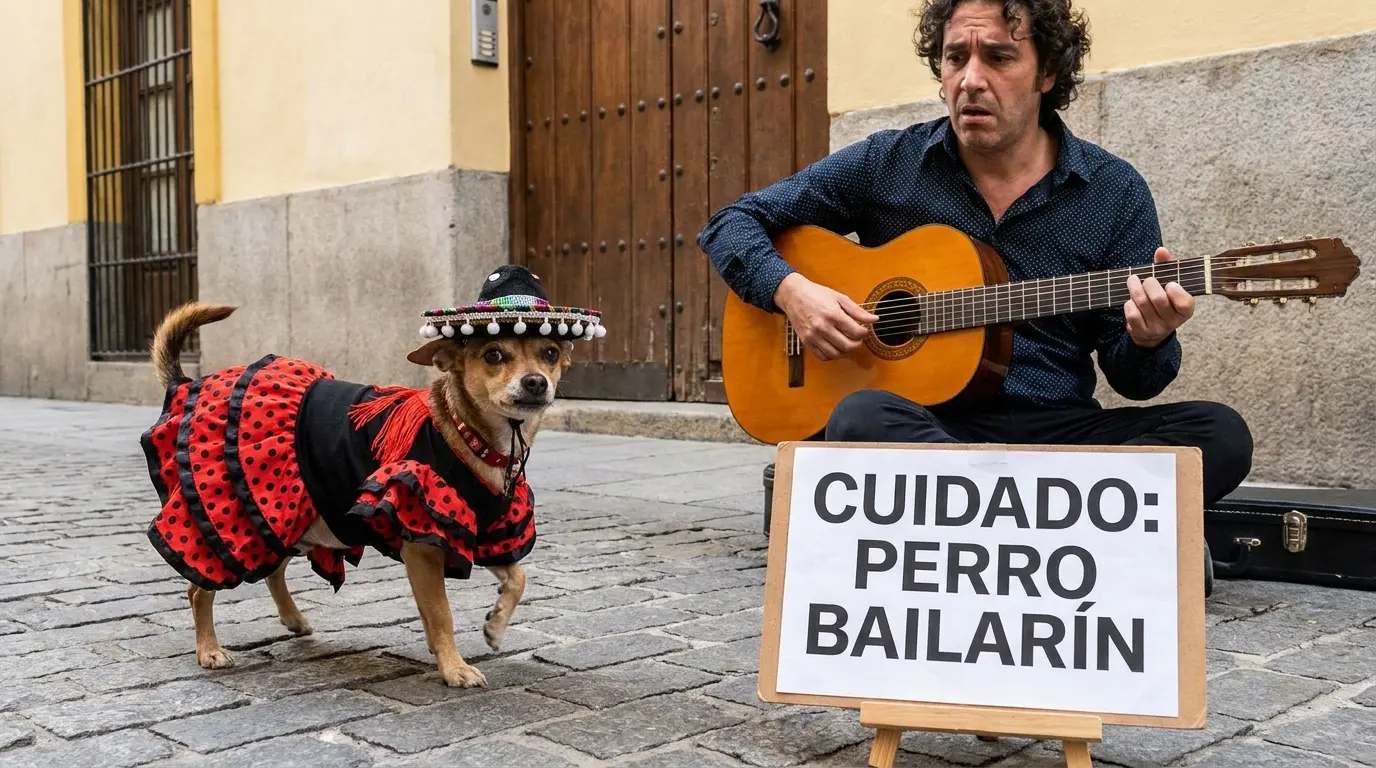
There is something special about a joke that makes you smile before you even understand every word. Spanish jokes can do exactly that. Whether you are learning Spanish, chatting with Spanish-speaking friends, exploring Hispanic humor, or simply looking for something funny to send in a group chat, the language has a playful rhythm that makes jokes feel extra lively.
Spanish humor can be silly, clever, sarcastic, romantic, innocent, or wonderfully awkward. Sometimes the funniest moment comes from a pun. Other times, it comes from a simple misunderstanding between two people. And sometimes, the joke is funny because a familiar Spanish word sounds completely different from what an English speaker expects.
The best part is that you do not need to be fluent to enjoy them. A little vocabulary knowledge can make the punchline even better. So grab your imaginary café con leche, relax, and explore these Spanish jokes designed for laughs, language practice, captions, conversations, and sharing.
Spanish Jokes for a Quick Laugh 😂
- 😂 ¿Qué hace una abeja en el gimnasio? ¡Zum-ba! The pun turns “zumba” into a buzzing workout joke.
- 😄 ¿Qué le dijo un tomate a otro? ¡No te pongas rojo! A tiny vegetable argument with dramatic flair.
- 🤣 ¿Cuál es el colmo de un jardinero? Que siempre lo dejen plantado. Being “left planted” makes the Spanish wordplay wonderfully silly.
- 😆 ¿Qué hace una computadora cuando tiene frío? Se pone Windows. Technology suddenly becomes a winter fashion choice.
- 😜 ¿Qué dijo el café cansado? Necesito descansar un rato. Even coffee apparently needs a little break.
- 😂 ¿Por qué el libro fue al médico? Porque tenía muchas páginas en blanco. It sounds serious until the punchline arrives.
- 😁 ¿Qué hace un pez en Internet? Nada por la red. “Nada” works beautifully because it means both swims and nothing.
- 🤭 ¿Qué le dijo una pared a otra? Nos vemos en la esquina. Two walls planning their next meeting is surprisingly adorable.
- 😆 ¿Qué hace una escoba después de trabajar? Se barre de cansancio. The joke gives cleaning equipment a very human problem.
- 😂 ¿Por qué el reloj está feliz? Porque siempre tiene tiempo. A simple idea becomes funny through personification.
- 😄 ¿Qué dijo el lápiz? Estoy agotado de tanto escribir. Even stationery deserves workplace sympathy.
- 🤣 ¿Por qué el plátano fue al hospital? Porque no se sentía muy bien. A fruit having a medical emergency is classic silly humor.
- 😜 ¿Qué hace una silla cuando está aburrida? Se sienta a pensar. The joke takes the chair’s basic purpose far too seriously.
- 😁 ¿Qué dijo el sol por la mañana? ¡Hoy vengo con mucha energía! A cheerful punchline gives the joke a sunny personality.
Spanish Jokes for Beginners Learning the Language 🌎
- 📚 ¿Cómo se dice “funny” en español? “Gracioso” or “divertido,” depending on context.
- 😊 ¿Qué significa “me haces reír”? It means “you make me laugh,” a useful phrase for friendly conversations.
- 🗣️ Try saying “¡Qué gracioso!” It is an easy way to tell someone their joke is funny.
- 😄 “Estoy bromeando” means “I’m joking.” Learn it before your playful comment causes confusion.
- 😂 “Es una broma” means “It’s a joke.” This phrase can quickly clarify your intention.
- 📖 “Reír” means “to laugh.” It is one of the most useful verbs when discussing humor.
- 🤭 “Chiste” means “joke.” You can ask, “¿Tienes un chiste?” when requesting something funny.
- 😆 “Contar un chiste” means “to tell a joke.” It is a natural phrase worth remembering.
- 🎭 “Humor” means humor. Spanish makes this vocabulary connection especially easy for English speakers.
- 😜 “Qué divertido” means “How fun” or “How funny.” Context determines the exact English feeling.
- 😂 Learn “No puedo parar de reír.” It means “I can’t stop laughing.”
- 🧠 Notice Spanish wordplay. Many jokes depend on words having multiple meanings.
- 🎉 Listen for tone. Spanish humor often becomes funnier through facial expression and delivery.
- 🌟 Practice aloud. Saying jokes helps beginners build pronunciation, rhythm, confidence, and vocabulary together.
Spanish Jokes Built Around Clever Wordplay 🧠
- 🧠 Spanish puns often depend on double meanings. One word can create two completely different mental pictures.
- 😂 “Nada” is a classic example. It can mean “nothing” while also relating to swimming.
- 😄 “Plantar” creates playful expressions. Being left waiting can become being “left planted.”
- 🤭 Food vocabulary makes great pun material. Tomatoes, bananas, cheese, and bread are naturally visual.
- 🍅 A tomato joke can become a personality joke. Redness suddenly suggests embarrassment or anger.
- 🐟 Animal vocabulary works beautifully. Fish, bees, cats, and dogs easily become characters.
- 😆 Everyday objects can become comedians. A wall, chair, pencil, or clock can deliver the punchline.
- 📚 Spanish suffixes can create humor. Small changes in word forms may create unexpected meanings.
- 🎯 Context makes puns stronger. The listener needs enough information to recognize the wordplay.
- 🤣 Good puns reward attention. The punchline feels satisfying because the listener catches the linguistic trick.
- 🗣️ Pronunciation can create jokes. Similar sounds sometimes produce humorous misunderstandings.
- 😜 Homophones are especially useful. Words that sound alike can create surprising punchlines.
- 💡 Language learners can study puns strategically. Write the two meanings beside each other.
- 🌟 The best wordplay feels effortless. A clever joke should make people smile, not solve a puzzle for five minutes.
Spanish Jokes for Kids and Families 👨👩👧👦
- 🐱 ¿Qué hace un gato en una computadora? Busca el ratón, of course—because every cat has priorities.
- 🐶 ¿Qué dijo el perro al terminar su homework? ¡Guau, qué cansancio! A canine academic crisis.
- 🍌 ¿Por qué el plátano sonrió? Porque alguien le contó una buena historia.
- 🐟 ¿Qué le dijo un pez a otro? Nada. The simplicity is exactly why children enjoy it.
- 🐝 ¿Qué hace una abeja cuando estudia? Zumba ideas. The buzzing reference creates a playful learning image.
- 🌞 ¿Por qué el sol nunca está triste? Porque siempre encuentra un poco de luz.
- 🧸 ¿Qué dijo el oso al dormir? ¡Necesito una pausa para osoñar! A silly twist designed for playful family humor.
- 🚲 ¿Por qué la bicicleta descansó? Porque estaba completamente agotada.
- 🍕 ¿Qué dijo la pizza? No me mires así; estoy hecha para compartir.
- 📚 ¿Por qué el libro sonrió? Porque alguien finalmente decidió leerlo.
- 🥕 ¿Qué dijo la zanahoria? Hoy estoy viendo las cosas con mucha claridad.
- 🦆 ¿Qué dijo el pato? ¡Qué día tan cua-cool! A playful sound-based joke for younger listeners.
- 🧃 Why did the juice laugh? Porque la situación estaba demasiado “exprimida.” Silly exaggeration makes the punchline memorable.
- 🎈 Family jokes work best when everyone understands them. Keep language playful, harmless, and easy to repeat.
Spanish Jokes You Can Send to Friends 📱
- 📱 “¿Estás ocupado?” “Sí.” “Perfecto, entonces te cuento un chiste rápido.” Friendship survives another interruption.
- 😂 Send a food pun when the group chat gets quiet. Someone will probably answer with an even worse joke.
- 😜 “Necesito consejo.” “¿Sobre qué?” “Sobre cómo dejar de contar chistes malos.”
- 🤣 Use a deliberately terrible joke. Sometimes the badness becomes the funniest part.
- 😆 Send “Tengo un chiste sobre pizza, pero es demasiado cheesy.” Spanish-English combinations can be wonderfully playful.
- 😂 Ask “¿Quieres escuchar un chiste?” Then wait dramatically before delivering the punchline.
- 😎 Use short jokes in group chats. Compact humor gets read and shared more easily.
- 🤭 Send a joke after someone says they are bored. Humor becomes a tiny mood rescue.
- 🎉 Try a Spanish joke during a party. It can become an easy conversation starter.
- 🗣️ Use jokes with language-learning friends. Humor gives vocabulary a memorable emotional connection.
- 😄 Add one laughing emoji after a pun. It signals that the message is intentionally playful.
- 💬 Ask friends to rate your joke from one to ten. The argument afterward may be funnier than the joke.
- 😂 Create a “bad joke of the day” tradition. Daily repetition turns humor into a social ritual.
- ❤️ Choose jokes that fit your friendship. Personal relevance usually makes humor feel warmer.
Spanish Jokes for Flirty Conversations 💕
- 😉 “¿Eres café? Porque contigo quiero quedarme despierto toda la noche.” A playful compliment with cozy energy.
- 😏 “No soy fotógrafo, pero contigo veo una buena historia.” Sweet, confident, and intentionally cheesy.
- 💕 “¿Tienes mapa? Porque me perdí en tu sonrisa.” A classic romantic idea with a Spanish-language charm.
- 😜 “¿Crees en el amor a primera vista o vuelvo a pasar?” Playful confidence keeps the line light.
- 😊 “¿Eres magia? Porque cambiaste mi día.” More sweet than bold, making it suitable for gentle flirting.
- 💘 “Tengo un problema: cada vez que apareces, se me olvida qué iba a decir.” A charmingly honest compliment.
- 😉 “¿Eres Wi-Fi? Porque siento una conexión.” Cheesy technology humor can work when both people enjoy playful flirting.
- 😄 “No necesito postre si ya terminaste de sonreír.” A softer romantic joke with a teasing edge.
- 🥰 “Tu sonrisa debería venir con advertencia.” Short, warm, and easy to send.
- 😏 “¿Siempre eres así de encantadora o hoy estás practicando?” Flirty without becoming too intense.
- 💕 “Me gustan los idiomas, especialmente el que habla tu sonrisa.” Romantic wordplay gives this line extra charm.
- 😜 “¿Te puedo contar un secreto? Tu mensaje mejoró mi día.” Simple emotional honesty often beats complicated pickup lines.
- ❤️ Use humor before serious flirting. A laugh can lower tension and make conversation feel natural.
- 🌹 Keep flirting respectful. The best joke creates mutual fun rather than pressure.
Spanish Jokes for Instagram Captions 📸
- 📸 “Sonríe, que la vida no viene con filtro.” A playful reminder with caption-friendly rhythm.
- 😎 “No estoy perdido; estoy explorando.” Perfect for travel photos and spontaneous adventures.
- 😂 “Mi dieta empieza mañana… otra vez.” A relatable joke for food lovers.
- 🍕 “Amor, risas y pizza: en ese orden… quizá.” A humorous lifestyle caption with personality.
- ☕ “Primero café, después decisiones.” Short enough to work beautifully beneath a morning photo.
- 😜 “Tengo actitud, pero también tengo sueño.” Great for casual selfies.
- 🌞 “Brillando más que mis planes.” A confident caption with a humorous twist.
- 💃 “Bailando como si nadie estuviera grabando.” Ideal for playful dance content.
- 🍰 “La felicidad también puede tener sabor a postre.” A soft food caption with warmth.
- 😂 “Hoy vine a verme bien y comer rico.” Simple, honest, and highly relatable.
- 💕 “Demasiado bonita para tomarme todo en serio.” A feminine, playful caption with confident energy.
- 🌴 “Problemas pequeños, vacaciones grandes.” Works well for travel photography.
- 😏 “No es actitud; es experiencia.” A confident one-liner for fashion or portrait posts.
- ✨ “Mi energía habla antes que yo.” A stylish caption for personal branding and social content.
Spanish Jokes About Food and Drinks 🍕
- 🍕 ¿Qué dijo la pizza cuando llegó tarde? Perdón, tuve problemas con el tráfico de queso.
- ☕ El café dijo que estaba cansado. Todos agreed that was highly suspicious.
- 🧀 ¿Por qué el queso nunca guarda secretos? Porque siempre termina derritiéndose bajo presión.
- 🍅 El tomate entró al restaurante y dijo: “Hoy vengo a ponerme rojo.”
- 🍞 ¿Por qué el pan fue al gimnasio? Quería ponerse más fuerte y ganar masa.
- 🍎 La manzana empezó una new career. Apparently, she wanted to make a fresh start.
- 🌮 ¿Qué hace un taco cuando está nervous? Se pone un poco relleno de ansiedad.
- 🍫 El chocolate dijo que necesitaba espacio. Everyone agreed it was feeling a little too sweet.
- 🍋 ¿Por qué el limón está feliz? Porque aprendió a sacar lo mejor de cada situación.
- 🍦 El helado no contó el secreto. Tenía miedo de que todo se derritiera.
- 🥑 El aguacate dijo: “Estoy pasando por una etapa de maduración.”
- 🍓 La fresa llegó tarde. Dijo que necesitaba tiempo para ponerse en su mejor versión.
- 🥤 ¿Por qué el jugo fue tan popular? Porque siempre sabía cómo mezclarse con everyone.
- 🍰 El pastel tenía una philosophy: Life is short, so add another slice.
Spanish Jokes for Travel and Vacation Moments ✈️
- ✈️ “¿Dónde está la playa?” The most important Spanish phrase for a serious vacation.
- 🗺️ Getting lost can become a joke. Say, “No estoy perdido; estoy descubriendo lugares.”
- 🏖️ Vacation rule: If the sun is shining, the schedule can wait.
- 😎 “Estoy de vacaciones.” A powerful sentence capable of explaining almost everything.
- 🧳 Suitcases have one job: somehow become heavier on the journey home.
- 😂 A traveler said, “Necesito un mapa.” The map replied silently, “You clearly need me.”
- 🌴 “Mi oficina está muy lejos.” A playful caption for anyone escaping routine.
- 🏝️ Beach humor works because everyone understands relaxation. Sand becomes an unofficial alarm clock.
- 🚗 Road-trip jokes keep long drives entertaining. Even wrong turns can become stories later.
- 🏨 Hotel humor is universal. The best room is always the one with a great view.
- ☀️ “No estoy quemado; estoy demasiado abrazado por el sol.” A silly way to describe sunburn.
- 📸 Travel photos deserve playful captions. Humor can make ordinary vacation memories feel personal.
- 🌎 Spanish jokes can connect travelers. Shared laughter often crosses language barriers faster than grammar.
- ❤️ The best travel joke becomes a memory. Years later, people remember who laughed and where they were.
Spanish Jokes About School and Studying 📚
- 📚 ¿Por qué el estudiante llevó una escalera? Porque quería subir de nivel.
- 😂 The textbook looked exhausted. It had been carrying knowledge all semester.
- ✏️ The pencil complained: “Tengo demasiadas cosas en la punta.”
- 📝 Why did the notebook smile? Someone finally filled its empty pages.
- 🤓 A student said, “Estudié toda la noche.” The textbook replied, “I noticed.”
- 😂 Homework has one strange talent: appearing larger every time you look at it.
- 🎓 Graduation jokes work well because everyone understands the relief. Years of studying finally become one celebration.
- ☕ Coffee becomes a study partner. It listens quietly and never asks for your notes.
- 📖 “Necesito estudiar” is often followed by “solo cinco minutos en el teléfono.”
- 😴 The biggest enemy of homework is sometimes sleep. The bed always has better arguments.
- 🧠 Funny vocabulary helps memory. Emotional and surprising examples can make new words easier to recall.
- 😂 Teachers can use clean jokes as warm-ups. Humor creates a relaxed classroom atmosphere.
- 🗣️ Students can retell jokes in Spanish. This builds pronunciation and speaking confidence.
- 🌟 Learning through laughter feels lighter. A memorable joke can turn vocabulary practice into a story.
Spanish Jokes With Animals and Wild Characters 🐶
- 🐱 The cat opened a Spanish class. Its favorite lesson was “meow” vocabulary.
- 🐶 The dog became a comedian. Every punchline ended with “¡Guau!”
- 🐟 The fish loved the Internet. It spent all day swimming through the net.
- 🐝 The bee became a DJ. Apparently, it specialized in buzz-worthy music.
- 🦁 The lion tried stand-up comedy. The audience found it roaringly entertaining.
- 🐸 The frog told jokes badly. Everyone still gave it a big “croak.”
- 🐴 The horse started telling jokes. Its delivery was stable but predictable.
- 🐔 The chicken became an alarm clock. Its timing was excellent but extremely loud.
- 🦉 The owl loved clever jokes. It preferred humor that made people think.
- 🐢 The turtle told a slow joke. The punchline eventually arrived.
- 🐒 The monkey loved practical jokes. Nobody was safe around snack time.
- 🦊 The fox preferred witty humor. It always wanted the cleverest punchline.
- 🐼 The panda became famous online. Apparently, adorable faces are excellent comedy marketing.
- 🐙 The octopus told eight jokes at once. It had plenty of punchlines to work with.
Spanish Jokes for Adults and Everyday Situations ☕
- ☕ Morning coffee is not a drink; it is a personality reset button.
- 😂 “¿Ya comiste?” can become a full conversation in many Spanish-speaking families.
- 😴 Adult life sometimes means choosing sleep over absolutely everything else.
- 💸 Money disappears quickly. Apparently, wallets also enjoy spontaneous adventures.
- 🧹 **Cleaning becomes funny when you realize dust has excellent long-term commitment.
- 📱 Your phone can be at one percent and somehow still become your emotional support device.
- 😆 “Solo voy a descansar cinco minutos” is one of the world’s most optimistic sentences.
- 🍕 Ordering food after saying you are dieting is an ancient human tradition.
- 🛒 Grocery shopping hungry is basically a comedy experiment.
- 🚗 Parking can turn a calm adult into a dramatic philosopher within seconds.
- 💻 Work meetings sometimes last longer than the problems they were supposed to solve.
- 😜 Weekend plans often begin with excitement and end with pajamas.
- ❤️ Everyday humor works because people recognize themselves in it.
- 🌟 Relatable jokes feel personal without needing complicated punchlines.
Spanish Jokes for Romantic Couples 💑
- ❤️ “Te quiero más que al café.” For many people, that is a serious declaration.
- 😜 Couples can joke about who forgot the keys again. Shared chaos becomes shared laughter.
- 😂 “¿Quién eligió esta película?” may begin a playful debate lasting twenty minutes.
- 🍕 True romance is sharing pizza without secretly counting the slices.
- 🥰 A cute joke can soften a stressful evening. Laughter reminds couples they are teammates.
- 😏 “No estoy celoso; solo estoy realizando research.” Playful exaggeration keeps the tone teasing.
- ☕ Coffee dates are perfect for gentle Spanish humor. The setting naturally encourages relaxed conversation.
- 💕 Inside jokes become relationship memories. Their meaning matters more to the couple than anyone else.
- 😂 Couples can invent funny Spanish nicknames. Personalized humor often feels more affectionate.
- 🌹 Romantic jokes should make both people smile. Mutual comfort matters more than cleverness.
- 😘 A playful compliment can be better than a dramatic pickup line.
- 🥰 “Contigo me río hasta de mis problemas.” It combines affection with emotional warmth.
- 💑 Shared laughter strengthens connection. Humor creates moments that couples can remember later.
- ❤️ The sweetest joke is sometimes simply: “You still make me laugh.”
Spanish Jokes for Parties and Social Gatherings 🎉
- 🎉 Start with a simple joke. Easy humor helps strangers relax around one another.
- 😂 Avoid jokes that require complicated explanations. Party humor should move quickly.
- 🗣️ Spanish puns are great conversation starters. Ask guests what they think the punchline means.
- 🍹 Food-related jokes are usually easy to understand. Everyone can participate without special knowledge.
- 😄 Use clean jokes around mixed groups. Inclusive humor keeps the atmosphere comfortable.
- 🎤 Tell the punchline slowly. Timing can make an ordinary joke much funnier.
- 🤭 Pretend the joke is extremely serious. The contrast can create an extra laugh.
- 😂 Invite someone else to tell the next joke. Humor becomes interactive instead of one-sided.
- 💃 Dance parties benefit from playful captions. Spanish phrases can add personality to photos.
- 📸 Take a group picture after a joke. Laughter often produces natural expressions.
- 😜 Self-deprecating humor can work well. Laughing at yourself can make you approachable.
- 🧠 Avoid humor based on someone’s sensitive traits. Smart comedy does not need a target.
- ❤️ The goal is connection. A successful joke makes the room feel lighter.
- ✨ End with your strongest joke. Leaving people laughing creates a memorable final impression.
Spanish Jokes That Make Language Learning More Fun 🎓
- 🎓 Use one joke to learn five words. Highlight nouns, verbs, adjectives, and expressions.
- 🧠 Write the punchline separately. Predicting it can improve comprehension skills.
- 🗣️ Read jokes aloud. Spanish rhythm becomes easier to feel through repeated speaking.
- 👂 Listen to native speakers telling jokes. Delivery reveals emotion that written text cannot fully capture.
- 📖 Look up unfamiliar vocabulary. A joke provides useful context instead of isolated word lists.
- 😂 Translate the joke yourself first. Compare your interpretation with the actual meaning afterward.
- ✍️ Create your own Spanish pun. Producing humor encourages active vocabulary recall.
- 🔄 Retell the joke differently. Paraphrasing strengthens flexibility and speaking confidence.
- 🌎 Explore regional humor carefully. Different Spanish-speaking communities have different slang and comedic styles.
- 🎭 Study tone and facial expressions. Humor depends on more than vocabulary.
- 💬 Use jokes as conversation starters. Ask a language partner why the joke is funny.
- 📱 Save your favorite jokes. Reviewing them repeatedly reinforces memorable phrases.
- 🌟 Do not fear imperfect Spanish. Humor can make mistakes feel less intimidating.
- ❤️ Enjoy the language emotionally. When learning creates genuine laughter, vocabulary becomes easier to remember.
Spanish Jokes Worth Sharing Again and Again 🔥
- 🔥 A great joke is short enough to remember. Simplicity gives it repeat value.
- 😂 A great pun works without a long explanation. The listener should catch the surprise naturally.
- 😄 Relatable jokes survive trends. People can still enjoy them months later.
- 📱 Share jokes that fit the platform. Short humor works especially well in messages and captions.
- 💕 Romantic jokes are strongest when personalized. Mention something meaningful to the person receiving them.
- 🤣 Bad jokes can become legendary. Sometimes repetition transforms silliness into an inside joke.
- 🌎 Cross-cultural jokes need context. Explain cultural references only when necessary.
- 🧠 Language jokes can teach vocabulary. Humor becomes more valuable when the audience learns something.
- 🎯 Timing matters. Even a brilliant punchline can fail when delivered at the wrong moment.
- 😜 Keep your delivery confident. Hesitation can make a simple joke feel confusing.
- 🎭 Facial expression matters. A raised eyebrow can turn a normal sentence into a punchline.
- ❤️ Kind humor creates better memories. People remember how a joke made them feel.
- ✨ Make your favorites personal. Adapt wording to your friends, partner, classmates, or audience.
- 😂 Keep laughing. The perfect joke is not always the cleverest one—it is the one people remember together.
Frequently Asked Questions About Spanish Jokes
What are the funniest Spanish jokes for beginners?
The funniest Spanish jokes for beginners are usually short puns, simple riddles, and jokes based on familiar vocabulary. Food, animals, school, coffee, and everyday objects are excellent themes because beginners can understand the context without knowing advanced grammar. Jokes involving words such as nada, gracioso, chiste, reír, and broma can also teach useful vocabulary while creating a laugh. Start with jokes that have a clear punchline and then explore wordplay as your Spanish improves. Reading the joke aloud is especially helpful because pronunciation, rhythm, and facial expression often contribute to how funny Spanish humor feels.
How do you say “joke” in Spanish?
The most common Spanish word for “joke” is chiste. For example, “I know a joke” can be expressed as “Sé un chiste.” The phrase “contar un chiste” means “to tell a joke,” while “hacer una broma” means “to play a joke” or “to joke around,” depending on context. You can also say “Es una broma” when you want to clarify that something was not meant seriously. Learning these expressions gives Spanish learners practical vocabulary for conversations involving humor, teasing, comedy, and playful situations.
What are some funny Spanish jokes to send in a text message?
Short Spanish jokes are usually best for texting because the reader can understand the setup and punchline quickly. Puns involving food, animals, school, coffee, and everyday situations work particularly well. You can also send a playful question followed by an unexpected answer. Adding an emoji can make your tone clearer, especially if the joke could otherwise sound serious. If your recipient is learning Spanish, choose jokes with simple vocabulary and explain the wordplay afterward if necessary. The best text-message joke is short, easy to understand, and appropriate for the relationship you have with the person.
Are Spanish jokes useful for learning Spanish?
Yes, Spanish jokes can be useful language-learning tools because they combine vocabulary, context, emotion, pronunciation, and cultural understanding. Instead of memorizing an isolated word, learners encounter it inside a memorable situation. Wordplay can also reveal multiple meanings, pronunciation similarities, idioms, and common expressions. Reading jokes aloud helps learners practice rhythm and speaking confidence. However, jokes should complement rather than replace structured Spanish study. Grammar lessons, listening practice, reading, conversation, and vocabulary review remain important. Humor simply makes those learning experiences more enjoyable and memorable, which can encourage learners to spend more time engaging with Spanish.
Why does Spanish wordplay make some jokes difficult to translate?
Spanish wordplay can be difficult to translate because many jokes depend on sounds, double meanings, idioms, or grammatical features that do not have an identical English equivalent. A Spanish word may have two meanings that create the punchline, while English requires two completely different words. Translating the sentence literally can therefore remove the humor. Good translation sometimes requires recreating the joke rather than translating every word. This is why language learners should examine both the literal meaning and the intended joke. Understanding the linguistic mechanism behind the humor is often more valuable than finding a perfect word-for-word translation.
What are good Spanish jokes for kids?
Good Spanish jokes for kids are short, harmless, visual, and easy to understand. Animal jokes, food puns, school jokes, and simple riddles are particularly effective because children already understand those topics. Jokes involving cats, dogs, fish, bananas, pizza, books, and pencils can introduce Spanish vocabulary without creating difficult cultural barriers. Adults can make the experience more educational by explaining one or two new words after each joke. Children can then repeat the punchline, create their own version, or draw the characters involved. The goal should be laughter first, with language practice naturally happening alongside it.
What are some cute Spanish jokes for flirting?
Cute Spanish flirting jokes usually work best when they are playful rather than overly intense. Lines about smiles, coffee, connections, getting lost, or forgetting what to say can create a warm romantic mood. For example, a playful idea such as “Cada vez que apareces, se me olvida qué iba a decir” communicates attraction without sounding too serious. Humor should match the relationship and the other person’s comfort level. A good flirty joke creates an opportunity for both people to laugh and continue the conversation. Confidence, kindness, and genuine interest are usually more attractive than an overly rehearsed pickup line.
How can I use Spanish jokes as Instagram captions?
Spanish jokes can make Instagram captions more memorable because they add personality, humor, and cultural flavor to ordinary photos. Match the joke to the image: food puns work for restaurant pictures, travel jokes suit vacation photos, and playful compliments can fit portraits. Keep captions short enough to scan easily, and use emojis when they support the mood. You can also combine Spanish and English if your audience is bilingual. Avoid forcing a joke into every post, though. A caption should feel connected to the image rather than inserted only for keywords. Natural relevance makes social content feel more authentic and engaging.
What makes a Spanish joke genuinely funny?
A genuinely funny Spanish joke usually combines surprise, timing, language, relatability, or an unexpected connection between ideas. Wordplay is especially common because Spanish contains many expressions, double meanings, and sound-based opportunities for humor. Delivery also matters. The same sentence can feel ordinary when read flatly but become hilarious with the right pause, facial expression, or dramatic tone. Cultural familiarity can make certain jokes even stronger for native speakers. Most importantly, humor is subjective. A joke does not need to be sophisticated to succeed. Sometimes the simplest, most ridiculous punchline creates the biggest laugh.
Can Spanish jokes help me understand Hispanic culture?
Spanish jokes can provide small but useful windows into Hispanic cultures because humor often reflects everyday experiences, family relationships, food, language, social habits, and regional expressions. However, Spanish-speaking cultures are not one single culture. Humor in Mexico, Spain, Argentina, Colombia, Puerto Rico, Chile, and other communities can differ significantly in slang, references, timing, and style. Therefore, jokes are best treated as cultural clues rather than complete representations of a community. Paying attention to regional vocabulary and asking native speakers about unfamiliar references can deepen understanding. Humor becomes especially valuable when it encourages curiosity rather than relying on stereotypes.
Conclusion: Let Spanish Jokes Put a Little More Laughter Into Your Day
Language does not have to feel like a textbook. Sometimes the easiest way to connect with a new language is through something wonderfully human: laughter.
Spanish jokes can help you practice vocabulary, discover wordplay, start conversations, brighten a friend’s day, create a playful caption, or add a little flirtation to a message. Some will be clever. Some will be ridiculous. A few may be wonderfully terrible—and those are often the ones people remember.
The real magic is not whether every joke makes everyone laugh. It is the moment when someone understands the punchline, smiles, and suddenly feels a little closer to the language.
So share a joke, learn a phrase, make a friend laugh, and enjoy the journey. The best Spanish jokes are not simply words arranged for a punchline—they are tiny invitations to connect.

Leo Banter funny storytelling aur viral internet jokes mein expert hai. Is ka goal readers ko daily stress se free karna hai 😂✨