
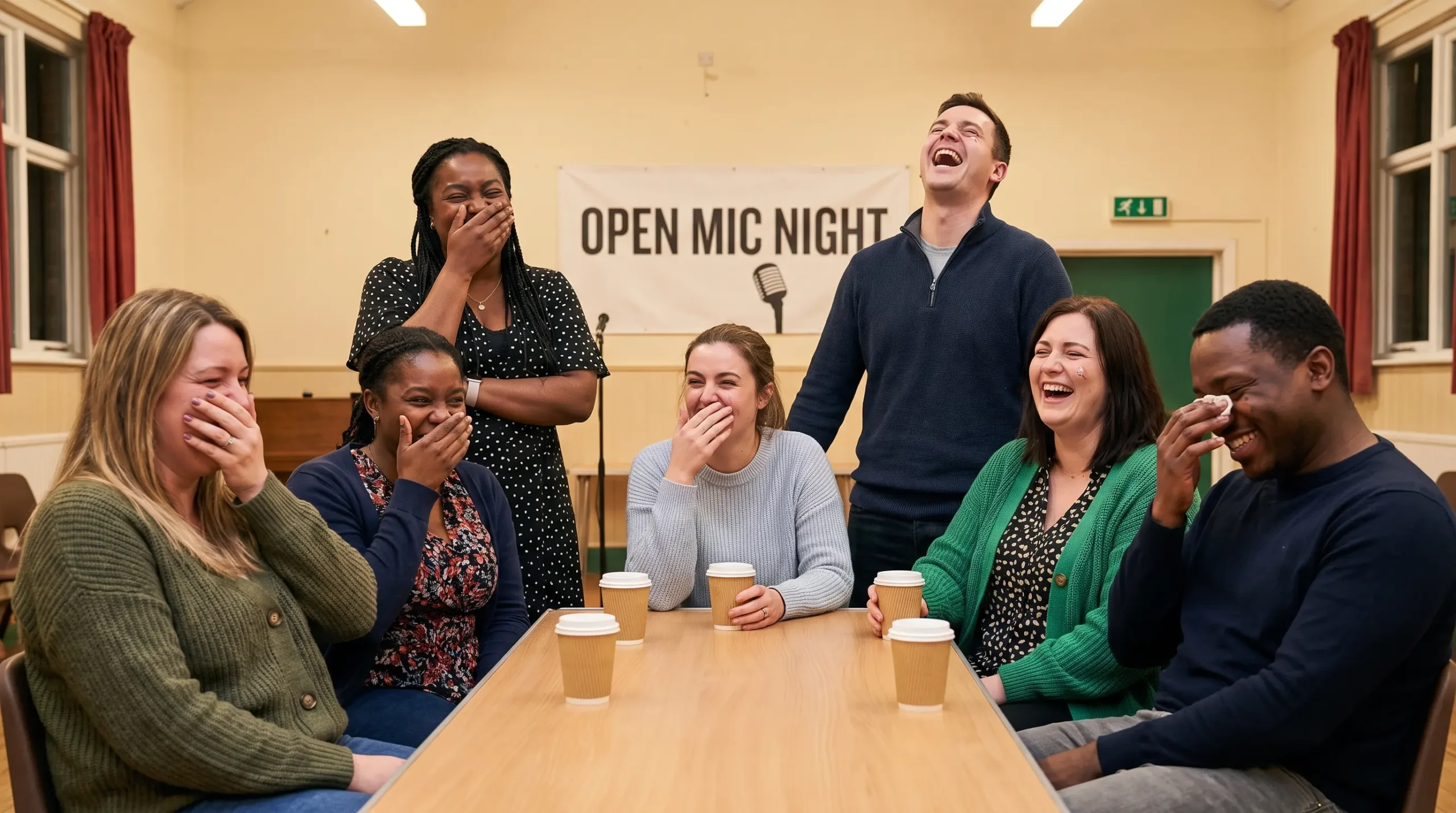
Have you ever typed a question into a search bar, read it twice, and wondered, “Wait… what am I actually trying to ask?” The phrase “what the difference between jokes” is one of those expressions. It sounds close to a natural English question, but something important is missing.
Usually, the person asking wants to know how different types of jokes compare, or they may be asking about the difference between two particular jokes. The problem is not the idea. The problem is the grammar.
That tiny grammatical gap matters because English questions depend heavily on word order and sentence structure. Once you understand the missing piece, the phrase becomes much easier to turn into natural English.
Jokes themselves are fascinating, too. A joke can make someone laugh, break awkward silence, flirt playfully, lighten a serious moment, or even reveal something about a person’s personality. But not every joke works in the same way. A pun, a one-liner, a dark joke, and a practical joke can all create humor through very different mechanisms.
So, if you searched “what the difference between jokes”, this guide will help you understand both sides of the question: the English grammar behind the phrase and the meaningful differences between kinds of jokes.
What the Difference Between Jokes Really Means in Everyday English
- 🔎 The phrase is usually incomplete. “What the difference between jokes” needs a verb, most commonly is, to become a complete question.
- ✍️ A natural version is “What is the difference between jokes?” This asks someone to explain how jokes differ from one another.
- 💬 Another useful version is “What are the differences between these jokes?” Use this when comparing specific jokes.
- 🧠 The word “difference” signals comparison. It tells the listener that two or more things need to be examined side by side.
- 😄 “Jokes” is a broad noun. It can describe funny stories, humorous comments, punchlines, or playful statements.
- 📚 Grammar changes clarity. Adding “is” transforms a loose phrase into a recognizable English question.
- 🌱 Search language can be messy. People often type incomplete phrases because they want quick answers rather than perfect sentences.
- 🎯 Search intent is still understandable. Even an imperfect query can clearly suggest that the user wants a comparison.
- 🗣️ Spoken English is often more flexible. People may use fragments naturally during casual conversation.
- 📝 Formal writing needs complete structure. In essays, articles, and professional communication, “What is the difference…” is preferable.
- 🔄 “Difference” can be singular or plural. The choice depends on whether you are discussing one main contrast or several contrasts.
- 👀 Context determines meaning. “Difference between jokes” might refer to humor style, grammar, audience, delivery, or subject.
- 💡 The easiest correction is simple. Add “is” after “what,” then continue with the comparison.
- ❤️ Understanding the question prevents embarrassment. A small grammar fix can make your English sound much more confident.
What the Difference Between Jokes Reveals About English Question Structure
- 🧩 English questions often require auxiliary verbs. “What is…” follows a common question pattern.
- 🏗️ The basic structure is straightforward. Use What + is + the difference + between + subjects.
- 📖 “What” asks for information. It introduces the thing you want explained or identified.
- 🔗 “Is” connects the question to its subject. Without it, the sentence feels unfinished.
- 🎭 “The difference” identifies the comparison. It focuses attention on the contrast between things.
- ⚖️ “Between” introduces the compared items. It commonly appears when discussing two or more clearly identified options.
- ✨ Sentence order creates natural flow. English relies strongly on predictable grammatical patterns.
- 🗣️ Fragments are common online. Search queries often remove words that would normally appear in conversation.
- 📱 Typing speed influences language. Users frequently write shorthand instead of complete sentences.
- 🧠 Native speakers fill gaps automatically. Context helps listeners understand imperfect questions.
- 🎓 Learners benefit from memorizing patterns. “What is the difference between X and Y?” is especially useful.
- 🔍 The pattern works across topics. You can ask about words, ideas, products, behaviors, or jokes.
- 😊 Once learned, the structure feels effortless. Repetition turns grammar into an instinctive habit.
- 🌟 Good grammar improves precision. It helps your reader understand exactly what comparison you want.
What the Difference Between Jokes Shows About Types of Humor
- 😂 One-liners are extremely compact. Their humor depends on delivering an unexpected idea quickly.
- 🎭 Story jokes build anticipation. The setup gives listeners information before the punchline changes the meaning.
- 🧠 Puns depend on language. They often exploit words with multiple meanings or similar sounds.
- 😏 Sarcasm uses contrast. Someone may say one thing while clearly intending another.
- 🌑 Dark humor approaches difficult subjects playfully. Its effect depends heavily on context and audience.
- 🃏 Practical jokes involve actions. The humor comes from creating an unexpected situation.
- 💕 Flirty jokes add playful tension. They can create connection when both people understand the tone.
- 🤪 Absurd humor breaks expectations. The joke becomes funny because the situation makes little logical sense.
- 🧑🤝🧑 Inside jokes depend on shared knowledge. Outsiders may not understand why everyone is laughing.
- 🧒 Knock-knock jokes use predictable patterns. Their charm often comes from simple wordplay and timing.
- 🎤 Stand-up jokes depend on delivery. Voice, facial expression, pauses, and timing can change the impact.
- 🧩 Observational humor starts with ordinary life. It turns familiar experiences into something surprisingly funny.
- 😆 Self-deprecating humor targets the speaker. Used carefully, it can make someone appear approachable.
- 🌈 No humor style is automatically funniest. The audience, situation, personality, and delivery all matter.
What the Difference Between Jokes Depends on Timing and Delivery
- ⏱️ Timing can make an average joke excellent. A perfectly placed pause creates anticipation.
- 🎙️ Voice changes meaning. The same sentence can sound serious, playful, sarcastic, or teasing.
- 👀 Facial expressions communicate intent. A raised eyebrow can turn ordinary words into humor.
- 🤫 Silence can be part of the joke. Waiting before the punchline builds curiosity.
- 💥 Fast delivery creates energy. It works especially well for short jokes and witty responses.
- 🐢 Slow delivery creates suspense. Storytelling humor often benefits from controlled pacing.
- 🎯 The punchline needs emphasis. Too little emphasis can make the audience miss the intended twist.
- 😏 Flirty humor needs emotional awareness. Timing helps playful teasing feel charming rather than uncomfortable.
- 🧠 Audience expectations influence timing. Experienced comedians learn when people are ready for the punchline.
- 🔄 Repetition can become funny. A repeated phrase may gain humor when its context changes.
- 🎬 Performance adds another layer. Body language can communicate information that words cannot.
- 🗣️ Conversation jokes require responsiveness. You need to notice whether the other person is enjoying the humor.
- ❤️ Good timing shows social awareness. Knowing when not to joke can be just as important.
- 🌟 Delivery is part of meaning. A joke is not only the words; it is also how and when they arrive.
What the Difference Between Jokes Can Tell Us About Audience Reactions
- 👥 Different people laugh at different things. Humor is strongly influenced by personality and experience.
- 🌍 Culture shapes comedy. A joke that works beautifully in one community may confuse another.
- 🧒 Age affects humor preferences. Children, teenagers, and adults often respond to different comedic styles.
- 🧠 Knowledge influences understanding. A technical joke may work best among people familiar with the subject.
- ❤️ Emotional state matters. Someone stressed or upset may not respond to humor the same way.
- 🤝 Shared experiences strengthen jokes. Familiar situations can make a punchline feel personal.
- 😄 Positive humor can build connection. Laughing together often creates a sense of social closeness.
- 🚦 Boundaries influence reactions. Sensitive topics require greater awareness of the audience.
- 🎭 Personality changes interpretation. One listener may hear playful teasing while another hears criticism.
- 📱 Online humor lacks vocal cues. Text-based jokes can be misunderstood more easily.
- 😂 Laughter is not always the goal. Some humor aims to surprise, provoke thought, or create recognition.
- 🔍 Context explains many reactions. The same joke can feel brilliant in one setting and awkward in another.
- 🌱 Humor develops with experience. People often discover new comedic styles as their interests change.
- ✨ Great humor respects the room. The strongest joke is usually one the audience can comfortably receive.
What the Difference Between Jokes Means When Comparing Puns and One-Liners
- 🧠 A pun usually plays with language. Word meanings, sounds, or spelling create the humorous twist.
- ⚡ A one-liner focuses on brevity. It delivers an entire comedic idea in a short statement.
- 🔤 Puns reward linguistic awareness. Understanding the double meaning is essential to the joke.
- 🎯 One-liners often rely on surprise. The final words can suddenly change how the audience interprets the setup.
- 😄 Puns may be intentionally cheesy. Their predictable cleverness can be part of the charm.
- 🎤 One-liners work well in stand-up. They can be delivered quickly between longer storytelling segments.
- 🧩 Puns can be visual. Signs, captions, headlines, and images often use them effectively.
- 🗣️ One-liners fit casual conversation. A witty sentence can make an ordinary exchange more memorable.
- 🌎 Puns can be difficult to translate. Their humor may depend on a specific language.
- 📚 One-liners are easier to adapt. The basic structure can often survive translation more successfully.
- 💡 Both depend on surprise. The audience expects one meaning and receives another.
- 😏 Both can sound clever. Their appeal often comes from making the listener recognize a hidden connection.
- 🎭 Delivery still matters. Even brilliant wording can fall flat without the right tone.
- ❤️ Neither style is automatically superior. The best choice depends on the audience and moment.
What the Difference Between Jokes Means in Friendly Conversation
- 😊 Friendly jokes create warmth. They can make conversations feel relaxed and natural.
- 🤝 Playful teasing can strengthen relationships. It works best when trust already exists.
- 😏 Flirty humor can create chemistry. A light joke may communicate interest without being overly direct.
- 🫶 Inside jokes create shared identity. They remind people of experiences only they understand.
- 😂 Self-directed jokes can reduce tension. Laughing gently at yourself may make you appear approachable.
- 🚫 Personal attacks are different. A joke that humiliates someone can damage trust instead of building it.
- 👂 Listen to the response. Silence, discomfort, or forced laughter can signal that the joke missed.
- 💬 Tone matters more than cleverness. A simple joke delivered kindly can work better than an impressive insult.
- 🌸 Gentleness makes teasing safer. Playful humor should leave the other person feeling included.
- 🧠 Know your relationship. Humor appropriate between close friends may not work with strangers.
- 🎯 Avoid guessing sensitive boundaries. You do not need to test someone’s limits to be funny.
- 😄 Shared laughter is collaborative. The best conversational humor feels like something two people create together.
- 💕 Flirting should feel mutual. If only one person is enjoying the teasing, it may no longer feel playful.
- ✨ Kind humor leaves a positive aftertaste. People remember how a joke made them feel.
What the Difference Between Jokes Explains About Sarcasm and Teasing
- 😏 Sarcasm often says the opposite of the intended meaning. Context tells the listener how to interpret it.
- 🎭 Teasing directly targets a person or behavior. It can be affectionate or hurtful depending on delivery.
- 🧠 Sarcasm requires interpretation. Listeners must recognize that the literal words are not the real message.
- 😂 Teasing can be relationship-based humor. Close friends often use it as a sign of familiarity.
- 🚦 Both need boundaries. Humor stops being playful when it repeatedly causes distress.
- 👀 Facial expressions help. A smile can signal that sarcastic words are not meant literally.
- 📱 Text makes sarcasm harder. Without voice or facial cues, readers may misunderstand the intention.
- 💬 Emojis can provide clues. A playful emoji may soften an otherwise ambiguous statement.
- ❤️ Trust changes interpretation. People are more likely to accept teasing from someone they trust.
- 🧩 Context completes the joke. A sentence alone may not reveal whether it is sincere or sarcastic.
- 🌱 Healthy teasing has limits. It should not repeatedly attack someone’s appearance, insecurity, or vulnerability.
- 🎯 Sarcasm can be witty. It is often used to highlight contradictions or absurd situations.
- 🗣️ Clear communication prevents confusion. When uncertain, explain that you were joking.
- ✨ Humor should connect, not crush. Cleverness is never worth making someone feel small.
What the Difference Between Jokes Shows About Dark and Clean Humor
- 🌑 Dark humor addresses serious subjects. Its comedy can come from surprising emotional contrast.
- ☀️ Clean humor usually avoids highly sensitive material. It is often easier to share with mixed audiences.
- 🎭 Dark humor is highly context-dependent. The same joke may feel acceptable in one group and deeply inappropriate elsewhere.
- 🧠 Audience maturity matters. People need enough context to understand the intended comedic framing.
- ❤️ Personal experience can change reactions. A subject may feel funny to one person and painful to another.
- 🚧 Boundaries are especially important. Sensitive humor requires stronger awareness of who is listening.
- 😂 Clean jokes can still be sophisticated. Clever observation does not require controversial subjects.
- 🎯 Dark humor often relies on tension. The audience recognizes the seriousness before encountering the unexpected twist.
- 🗣️ Setting influences acceptability. Private conversations and professional environments have different expectations.
- 📱 Online audiences are unpredictable. A joke can travel far beyond its original context.
- 🔍 Intent does not guarantee impact. A person may mean something playfully while another experiences it differently.
- 🌱 Humor preferences evolve. What someone finds funny can change over time and experience.
- 🤝 Mutual understanding reduces risk. Shared expectations help audiences interpret difficult humor correctly.
- ✨ Respect remains the foundation. Humor becomes stronger, not weaker, when it recognizes human boundaries.
What the Difference Between Jokes Teaches Us About Practical Jokes
- 🎁 A practical joke creates a situation. Unlike a spoken joke, it often depends on an action.
- 😲 Surprise is central. The target usually does not know what is about to happen.
- 😂 Harmless pranks should be reversible. The person should be able to recover without lasting consequences.
- 🚫 Damage is not comedy. Destroying property or causing genuine fear crosses an important boundary.
- 🤝 Consent changes the experience. Some friends enjoy elaborate pranks because they understand each other’s limits.
- 🧠 Planning affects execution. Good practical jokes require attention to timing and safety.
- 📸 Recording someone can add risk. Privacy should be considered before sharing a prank publicly.
- 🏠 Location matters. A prank appropriate at home may be completely inappropriate at work.
- 😄 The reveal should bring relief. A successful prank usually ends with everyone understanding the joke.
- ❤️ Know the person. Someone who dislikes surprises may not appreciate even a harmless prank.
- ⚖️ Power differences matter. Jokes involving bosses, teachers, or strangers can create uncomfortable pressure.
- 🌱 Keep consequences small. The humor should never depend on someone suffering afterward.
- 🎯 The best prank feels playful. It should create a funny memory rather than a painful one.
- ✨ Kindness improves comedy. A prank can be surprising without being cruel.
What the Difference Between Jokes Can Reveal About Personality
- 🧠 Humor can reflect thinking style. Clever jokes often show how someone notices unusual connections.
- 😊 Playful humor can signal openness. People may use jokes to make social interaction easier.
- 😏 Sarcasm can communicate confidence. It can also hide uncertainty, so context matters.
- ❤️ Self-deprecating humor may show humility. But excessive self-criticism can carry a different emotional message.
- 🤝 Inclusive humor encourages belonging. It makes other people feel like participants rather than targets.
- 🎭 Observational humor reveals attention. Comedians often notice tiny details others overlook.
- 🌑 Dark humor can indicate comfort with emotional complexity. It does not automatically reveal someone’s character.
- 🗣️ Storytelling humor suggests narrative thinking. Some people naturally turn ordinary events into entertaining stories.
- ⚡ Quick wit shows verbal flexibility. Fast responses can create memorable conversational moments.
- 🧩 Wordplay reflects language awareness. Puns often require sensitivity to sound and meaning.
- 👀 Audience awareness shows social intelligence. Good jokers adjust their style when circumstances change.
- 🌱 Humor can develop with confidence. People may become funnier as they feel safer expressing themselves.
- 💕 Flirty humor can reveal social interest. It may create playful emotional tension without direct statements.
- ✨ No single joke defines a person. Humor is one part of personality, not a complete psychological profile.
What the Difference Between Jokes Means for Learning English
- 📚 Jokes expose natural vocabulary. They often contain expressions rarely found in textbooks.
- 🗣️ Humor teaches conversational rhythm. Learners can observe how native speakers build anticipation.
- 🔤 Puns teach multiple meanings. One word may carry several interpretations within the same joke.
- 🎯 Jokes demonstrate word order. Their short structures make grammatical patterns easier to notice.
- 😄 Comedy makes learning memorable. Funny examples often stay in memory longer than dry sentences.
- 👂 Listening to jokes improves comprehension. Learners must process speed, tone, and implied meaning.
- 🎭 Sarcasm teaches pragmatics. Students learn that literal words do not always equal intended meaning.
- 🌎 Cultural humor builds context. Understanding comedy can reveal values and social references.
- 📖 Reading jokes expands idiomatic language. Expressions become easier to recognize in real conversations.
- 💡 Learners can practice question patterns. “What is the difference between…” is a useful everyday structure.
- 🧠 Humor encourages inference. You often need to predict what a speaker really means.
- 😊 Mistakes become less intimidating. A playful environment can make language practice feel safer.
- 🎤 Repeating jokes improves pronunciation. Rhythm and emphasis become easier through imitation.
- 🌟 English becomes more human through humor. Learning jokes means learning how people actually communicate.
What the Difference Between Jokes Helps Explain in Writing
- ✍️ Written jokes need clarity. Readers cannot always ask what the writer intended.
- 📌 Punctuation can affect meaning. A comma, question mark, or quotation mark can change interpretation.
- 😄 Short sentences often improve comedic timing. They allow the punchline to land cleanly.
- 🧩 A setup gives necessary information. Without enough context, readers may not understand the twist.
- 🎯 The final phrase often carries the punchline. Ending strongly can increase comedic impact.
- 📱 Social media rewards quick humor. Short jokes can be easier to read and share.
- 📝 Blogs can explain humor deeply. Context, examples, and definitions help readers understand unfamiliar jokes.
- 🔍 Ambiguous wording can create accidental humor. Grammar mistakes sometimes produce funny meanings unintentionally.
- 😂 Punctuation cannot replace tone completely. Writers need careful word choice to communicate playful intent.
- 🧠 Word economy matters. Removing unnecessary words can make a joke sharper.
- 🎭 Formatting can influence rhythm. Line breaks may create suspense before a punchline.
- 🌸 Gentle wording supports friendly humor. It helps prevent playful content from sounding aggressive.
- 💬 Dialogue makes jokes feel natural. Readers can imagine the timing between speakers.
- ✨ Strong writing respects the reader. The goal is to invite laughter, not force it.
What the Difference Between Jokes Looks Like in Search Intent and Meaning
- 🔎 The query likely has informational intent. The searcher wants a simple explanation or comparison.
- 🧠 Grammar may be part of the hidden intent. The unusual wording suggests the user could also be learning English.
- 📚 Semantic topics include humor types. Relevant concepts include puns, sarcasm, satire, teasing, pranks, and punchlines.
- 🎯 Long-tail searches provide more context. “What is the difference between jokes and puns?” is more specific.
- 🗣️ Natural-language search is conversational. People increasingly search using questions they might ask aloud.
- 🤖 Answer engines need direct explanations. Clear definitions make information easier for AI systems to summarize.
- 📖 Context prevents ambiguity. Explaining both grammar and humor addresses multiple interpretations.
- 🔗 Related concepts strengthen topical coverage. Definitions should connect naturally rather than through forced keywords.
- 🌱 Search behavior reflects curiosity. Users often begin with imperfect language and refine their understanding.
- 💡 Helpful content answers the real question. It should not criticize the wording without explaining the intended meaning.
- 📌 Concise definitions support snippets. A direct answer should appear before deeper discussion.
- 🧩 Examples improve semantic clarity. Concrete sentences show how the phrase works in practice.
- ❤️ Human readers need reassurance. Searchers should feel helped rather than judged for making a grammar mistake.
- 🌟 The best answer bridges language and intent. It explains not only what the phrase says, but what the searcher probably means.
What the Difference Between Jokes Means When You Ask About Two Specific Jokes
- 🔍 Name both jokes clearly. Comparison becomes easier when the subjects are identified.
- ⚖️ Compare their structure. Ask whether each uses a setup, twist, pun, or punchline.
- 🧠 Compare their humor mechanism. Determine whether the laughter comes from surprise, wordplay, absurdity, or recognition.
- 🎭 Compare the tone. One joke may be playful while another is sarcastic or dark.
- 👥 Compare the intended audience. A children’s joke and an adult joke naturally use different techniques.
- ⏱️ Compare timing. Some jokes need immediate delivery, while others require storytelling.
- 🗣️ Compare language complexity. A joke may depend on advanced vocabulary or a simple phrase.
- 🌎 Compare cultural context. References may make one joke understandable only to a particular group.
- ❤️ Compare emotional effect. One joke may create warmth while another creates shock.
- 📱 Compare medium. A joke written online may behave differently from one performed aloud.
- 🎯 Compare the punchline. Look at what information changes the audience’s interpretation.
- 😄 Compare audience reaction. Laughter patterns can reveal which comedic technique works better.
- 🧩 Compare intention and impact. What the comedian meant and what the audience felt may differ.
- ✨ Use the comparison to learn. Studying two jokes can reveal why humor succeeds or fails.
What the Difference Between Jokes Ultimately Teaches Us About Communication
- 💬 Humor is communication. A joke carries meaning beyond its literal words.
- 🧠 People interpret messages through context. The situation influences how language is received.
- ❤️ Emotion shapes understanding. A listener’s feelings can change their reaction to the same joke.
- 👀 Nonverbal cues matter. Facial expressions and gestures often clarify humorous intent.
- 🤝 Trust supports playful communication. People joke more comfortably when they feel emotionally safe.
- 🎭 Ambiguity can create comedy. Two possible meanings can collide to produce surprise.
- 🎯 Expectation drives humor. The audience predicts one outcome before receiving another.
- 🌱 Good communication requires flexibility. Speakers should adjust when their audience does not understand.
- 😄 Laughter can build connection. Shared amusement often creates a brief feeling of togetherness.
- 🚦 Boundaries remain essential. Humor does not excuse disrespectful behavior.
- 🗣️ Clarity prevents accidental offense. Explain yourself when a joke is misunderstood.
- ✨ Language can be both precise and playful. Strong communication leaves room for personality.
- 🌸 Kindness makes humor more sustainable. People remember jokes more fondly when they feel respected.
- ❤️ The real difference is often emotional. A joke succeeds when its audience understands not only the words, but the feeling behind them.
FAQ: What the Difference Between Jokes Means in Common English Questions
What is the correct way to say “what the difference between jokes”?
The most natural correction is “What is the difference between jokes?” The word “is” completes the English question structure and makes the sentence grammatically natural. If you are comparing two particular jokes, you can say, “What is the difference between these two jokes?” If you are comparing several specific examples, “What are the differences between these jokes?” may be better. The original phrase can still be understood because search engines and human readers use context, but it sounds incomplete in standard English. For formal writing, schoolwork, professional communication, and polished content, use a complete question structure.
What is the difference between a joke and a funny story?
A joke is usually designed around a specific humorous payoff, often called a punchline. A funny story can contain several humorous moments and may not depend on one final punchline. Jokes are often short and carefully structured, while funny stories may develop characters, events, and context over several minutes. For example, a one-line pun is clearly a joke, whereas a long story about an embarrassing vacation may be funny without following a traditional joke structure. Both can entertain people, but their storytelling methods, pacing, and expectations are different.
What is the difference between jokes, puns, and one-liners?
A joke is the broad category, while puns and one-liners are specific forms of humor. A pun creates humor through words that have multiple meanings, similar sounds, or unusual linguistic connections. A one-liner delivers a complete humorous idea in a single short statement. Some one-liners are puns, but not every one-liner is a pun. For example, a joke may involve a long story followed by a surprise ending, while a one-liner can create the same effect in one sentence. The main difference is the technique used to produce the humorous effect.
Why do some jokes make people laugh while other jokes fall flat?
Humor depends on several factors, including timing, audience expectations, relevance, delivery, emotional state, and cultural background. A joke can be clever but still fail because the audience does not understand the reference or because the punchline arrives too early. Delivery also matters enormously. A comedian may use pauses, facial expressions, voice changes, and pacing to create anticipation. Personal taste matters as well. What one person considers hilarious may feel boring or confusing to another person. A joke succeeds when its structure, context, audience, and delivery work together naturally.
What is the difference between sarcasm and a joke?
Sarcasm is a communication style in which the speaker often expresses a meaning that differs from the literal words. A joke is a broader form of humor designed to create amusement, surprise, or another playful response. Sarcasm can be used inside a joke, but it does not have to be a complete joke itself. For example, someone might sarcastically say, “Wonderful weather,” during a heavy storm. That statement may be humorous, but it is primarily sarcastic. The key distinction is that sarcasm focuses on contrasting literal and intended meaning, while jokes can use many different comedic techniques.
What is the difference between a practical joke and a regular joke?
A regular joke is usually communicated through words, storytelling, or performance. A practical joke, often called a prank, creates humor through an action or situation. The target may be surprised by something unexpected, and the humorous moment comes from their reaction or the situation itself. A responsible practical joke should be harmless, respectful, and appropriate for the relationship. Property damage, humiliation, serious fear, or public embarrassment can turn a playful prank into harmful behavior. The major difference is therefore the method: spoken or written humor versus an acted-out situation.
What is the difference between dark humor and clean jokes?
Dark humor uses serious, uncomfortable, or sensitive subjects as part of its comedic structure, while clean jokes generally avoid highly controversial or sensitive themes. Dark humor depends heavily on context and audience because people have different boundaries and experiences. Clean humor is often easier to share in classrooms, workplaces, family settings, and mixed groups. However, clean does not mean simple or boring. Clever wordplay, observational humor, absurd situations, and witty storytelling can all be completely clean while remaining sophisticated and funny.
How can I ask about the difference between two jokes in correct English?
The simplest question is “What is the difference between these two jokes?” You can also ask, “How are these two jokes different?” or “What are the main differences between these jokes?” The first option is especially useful when you want someone to compare their meaning, structure, humor style, or punchlines. If you are learning English, memorize the pattern “What is the difference between X and Y?” because it works across many subjects. For example, you can ask about two words, two grammar rules, two products, or two types of humor using exactly the same basic structure.
Is “what the difference between jokes” correct English?
Not in standard complete English. The phrase is understandable, particularly as a search query, but it normally needs the verb “is.” The natural form is “What is the difference between jokes?” Search engines frequently receive incomplete phrases because people type quickly, so the original wording can still communicate the intended idea. However, if you are writing an email, essay, article, assignment, or professional message, use the grammatically complete version. Remembering the structure What + is + the difference + between… makes this type of question easy to form correctly.
What makes a joke funny from a psychological perspective?
Many jokes work because they create an expectation and then suddenly change it. The brain begins predicting what will happen, and the punchline introduces an unexpected but understandable alternative. This combination of surprise and recognition can create amusement. Timing, social connection, emotional safety, and familiarity also influence humor. People often laugh when they recognize something true about everyday life but see it presented in an unusual way. Humor is therefore not simply about saying something random. Effective jokes usually create a small mental journey: expectation, uncertainty, surprise, and finally understanding.
Conclusion: What the Difference Between Jokes Really Comes Down To
At first glance, “what the difference between jokes” looks like a simple search phrase. But behind those few words are two interesting lessons: one about English grammar and another about human humor.
The grammatically complete question is usually “What is the difference between jokes?” From there, the answer can lead in many directions. Jokes differ in structure, timing, language, audience, emotional tone, cultural context, and purpose. A tiny pun can create a smile with one clever word, while a long story can build suspense before delivering a powerful punchline.
The deeper lesson is even more beautiful: humor is not just about making noise with laughter. It is about connection. A well-timed joke can turn strangers into conversational partners, make friends feel closer, soften an awkward moment, or add a little sparkle to an ordinary day.
So when you wonder what the difference between jokes means, remember that the grammar is easy to fix—but the human side of humor is wonderfully complex. The best jokes are not necessarily the loudest or cleverest. They are the ones that understand the moment, respect the audience, and leave people feeling a little lighter than before.

Mia Giggles light-hearted humor aur relatable daily life jokes likhti hai. Is ki funny captions aur social media humor readers ko instantly entertain karta hai 😄